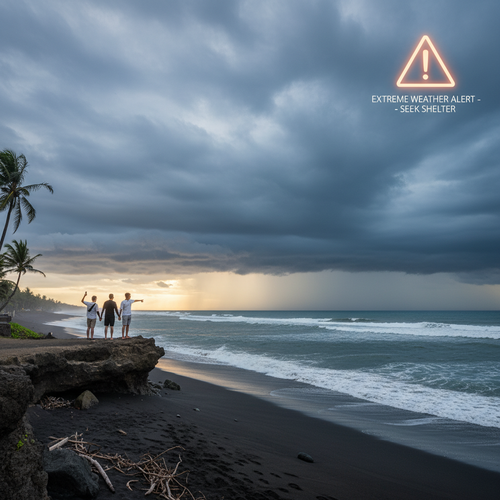

Waspada Cuaca Ekstrem: Tantangan Banjir Bali dan Keamanan Wisatawan Jelang Akhir Tahun
Bali Hadapi Cuaca Ekstrem: Antara Daya Tarik Wisata dan Kesiapsiagaan Bencana
Pulau Dewata, Bali, kembali diuji. Menjelang Akhir Tahun Bali, hujan deras yang mengguyur wilayah Denpasar Badung memicu Banjir Bali di berbagai titik. Kondisi ini menjadi sorotan utama, terutama mengingat Bali adalah salah satu destinasi Bencana Alam Travel paling populer di dunia. Insiden ini tidak hanya mengganggu aktivitas warga lokal dan memengaruhi mobilitas harian, tetapi juga menimbulkan kekhawatiran yang mendalam bagi Wisatawan Aman yang sedang menikmati liburan mereka di pulau yang terkenal dengan keindahan alam dan budayanya ini.
Dampak Sosial dan Kemanusiaan: Ketika Alam Berbicara
Sejak Sabtu malam hingga Minggu pagi, curah hujan yang tinggi menyebabkan genangan air mencapai ketinggian hingga satu meter di beberapa area permukiman dan ruas jalan vital. Di Kota Denpasar, kawasan seperti Jalan Gunung Tangkuban Perahu, Perumahan Buana Permai, dan Padangsambian menjadi daerah terdampak parah. Sementara itu, di Kabupaten Badung, Jalan Dewi Sri dan Kerobokan Kelod juga tidak luput dari kepungan air bah yang mengganggu.
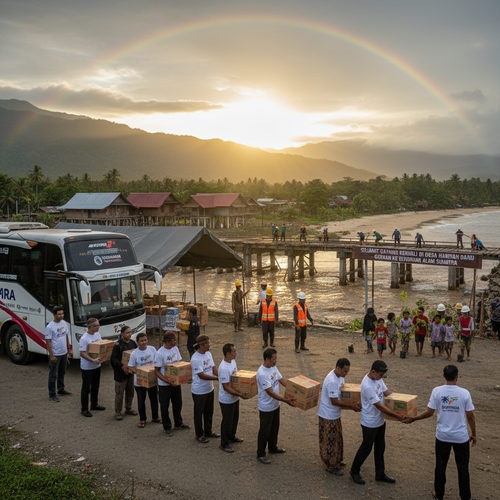
Merespons situasi darurat ini, pihak BPBD Bali bergerak cepat melakukan Evakuasi Bencana. Puluhan warga di Denpasar dan Badung berhasil dipindahkan ke tempat yang lebih aman, menunjukkan respons cepat pemerintah daerah dalam melindungi warganya. Namun, duka menyelimuti kabar mengenai seorang Turis Korban yang ditemukan meninggal dunia akibat terseret arus banjir di Desa Tibubeneng, Badung. Kejadian tragis ini menjadi pengingat pahit tentang risiko yang bisa timbul di tengah Cuaca Ekstrem, khususnya bagi para pelancong yang mungkin belum terbiasa dengan kondisi geografis dan iklim lokal. Kejadian semacam ini tentu memberikan dampak besar pada citra Pariwisata Terdampak, di mana keamanan wisatawan menjadi prioritas utama yang harus terus ditingkatkan.
Meskipun ketinggian air berangsur surut pada Minggu siang, dampak sosial, psikologis, dan kerugian materiil yang ditimbulkan oleh Banjir Bali ini tidak bisa diabaikan. Kondisi ini memunculkan pertanyaan penting tentang efektivitas Manajemen Risiko Destinasi, terutama bagaimana cara terbaik untuk melindungi penduduk dan memastikan keamanan wisatawan saat musim hujan dan potensi bencana alam tiba. Ini adalah tantangan berkelanjutan bagi Bali sebagai destinasi kelas dunia.
Tren Cuaca Ekstrem, Kesiapsiagaan Bencana, dan Masa Depan Pariwisata Bali
Menurut Peringatan BMKG, kondisi Cuaca Ekstrem yang melanda Bali ini dipicu oleh kemunculan Bibit Siklon Tropis 93S di Samudra Hindia. Meskipun sistem tersebut diprediksi akan bergerak menjauhi wilayah Indonesia, dampak tidak langsungnya masih berpotensi menimbulkan hujan dengan intensitas sedang hingga lebat, serta Gelombang Tinggi yang signifikan di perairan selatan Jawa hingga Nusa Tenggara Timur.
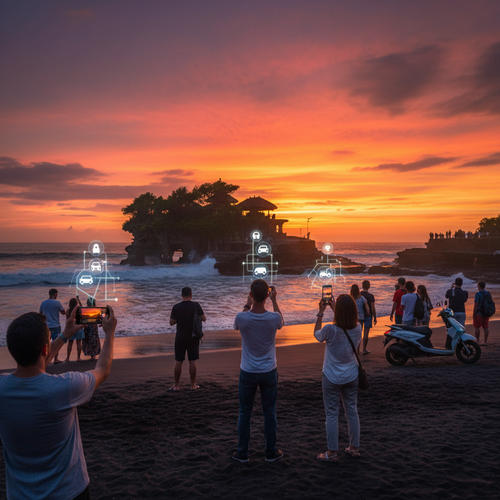
Skenario cuaca ekstrem seperti ini menuntut Kesiapsiagaan Bencana yang lebih mumpuni dan terintegrasi. Bagi sektor Pariwisata Terdampak di Bali, ini adalah peluang sekaligus tantangan besar. Peluangnya adalah untuk membangun sistem informasi dan mitigasi bencana yang lebih transparan, mudah diakses, dan cepat responsnya bagi wisatawan, termasuk melalui aplikasi atau papan informasi digital di lokasi strategis. Tantangannya adalah bagaimana meyakinkan calon pengunjung bahwa Bali tetap menjadi destinasi yang aman dan menarik, bahkan di tengah potensi ancaman bencana alam yang mungkin semakin sering terjadi akibat perubahan iklim.
BMKG Wilayah III Denpasar secara konsisten mengimbau masyarakat dan wisatawan untuk terus meningkatkan kewaspadaan terhadap potensi hujan lebat, angin kencang, banjir, banjir bandang, dan tanah longsor hingga beberapa hari ke depan. Memantau informasi cuaca resmi dari sumber terpercaya dan mengutamakan keselamatan diri adalah kunci utama. Bali, dengan segala pesona dan daya tariknya, harus terus beradaptasi, memperkuat infrastruktur kebencanaan, serta meningkatkan edukasi publik agar pengalaman liburan para pengunjung tetap menjadi kenangan indah yang aman, bukan pengalaman traumatis yang bisa dihindari. Inilah langkah penting menuju pariwisata yang lebih tangguh dan berkelanjutan.